The Ultimate Home Accessories Buying Guide: How to Curate and Style Every Room
Home accessories are the soul of interior design. While major furniture pieces like sofas, dining tables, and bed frames set the foundation of a space, home accessories inject personality, warmth, texture, and visual interest. Often described as the "jewelry of the home," these decorative and functional accents transform a generic room into a curated sanctuary that reflects your personal taste and lifestyle.
Navigating the expansive world of home accessories can feel overwhelming. With thousands of options ranging from soft textiles and wall art to accent lighting and decorative objects, how do you choose pieces that look cohesive rather than cluttered? This comprehensive buying guide will walk you through the primary categories of home accessories, key purchasing factors, room-by-room styling strategies, and essential design principles to help you elevate your living space effortlessly.
Understanding the Main Categories of Home Accessories
To build a well-balanced interior, it helps to understand the different types of home accessories available. A successful space usually incorporates elements from each of the following primary categories:
1. Soft Furnishings and Textiles
Soft furnishings provide tactile comfort and visual softness, balancing the hard edges of wooden, metallic, or stone furniture. Key items in this category include:
- Throw Pillows and Cushion Covers: Excellent for introducing new colors, patterns, and rich textures like velvet, linen, bouclé, or wool.
- Throw Blankets: Functional and decorative pieces that add warmth and drape across sofas, armchairs, or the foot of a bed.
- Area Rugs and Runners: Essential for defining zones within an open-concept layout, adding underfoot comfort, and anchoring furniture groupings.
- Window Treatments: Curtains and drapes that frame windows, control light, and add vertical softness to a room.
2. Decorative Lighting
Lighting is both functional and atmospheric. Accent lighting creates depth, highlights artwork, and builds cozy ambiance during evening hours.
- Table Lamps: Versatile accessories suitable for side tables, nightstands, consoles, and desks.
- Floor Lamps: Sculptural elements that fill empty corners while providing task or ambient lighting.
- Candles and Lanterns: Ideal for adding soft, flickering illumination and subtle scents to relax the mind.
3. Wall Decor and Mirrors
Empty walls can make a home feel cold and unfinished. Vertical accessories draw the eye upward and add visual interest at eye level.
- Framed Artwork and Prints: Canvas paintings, photography, and abstract prints that reflect your aesthetic preferences.
- Wall Mirrors: Functional accessories that bounce natural light around a room and create the optical illusion of greater space.
- Wall Hangings and Tapestries: Woven textile art that adds acoustic dampening and organic texture to minimalist interiors.
4. Accent Objects and Tabletop Decor
Small decorative accents complete the styling of coffee tables, bookshelves, mantels, and sideboards.
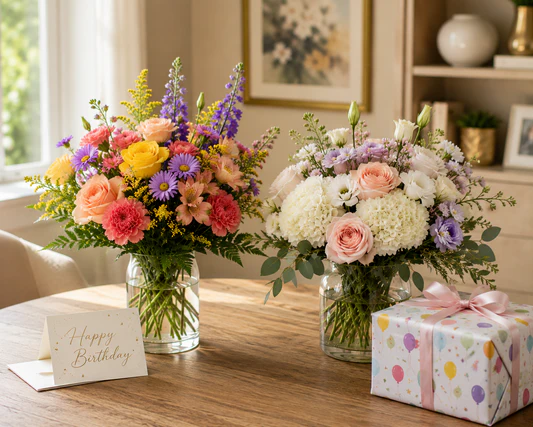
- Vases and Urns: Ceramic, glass, or terracotta vessels that stand beautifully alone or filled with florals.
- Decorative Bowls and Trays: Practical items used to contain small items, structure coffee table vignettes, or display fruit.
- Sculptures and Art Objects: Abstract or figurative pieces made of marble, metal, or wood that act as conversation starters.
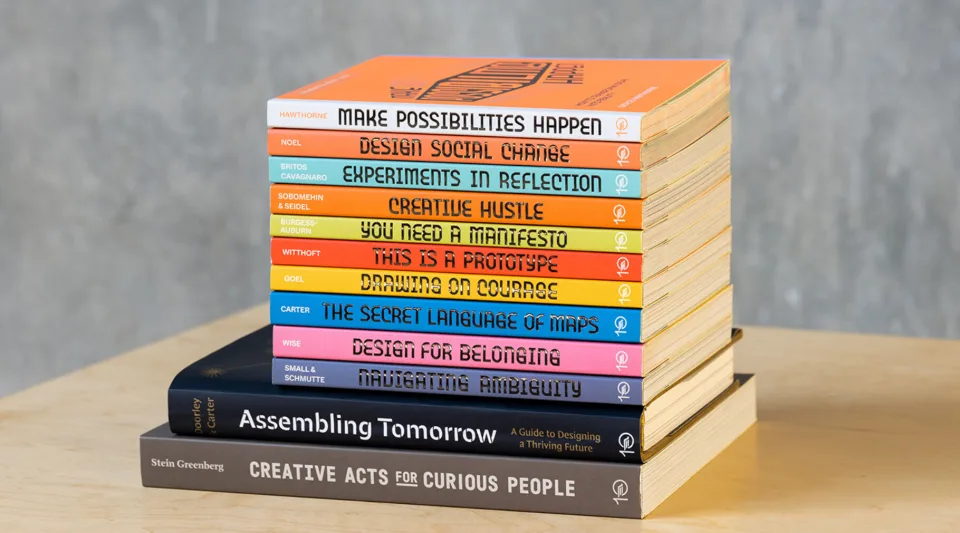
- Coffee Table Books: Oversized books with beautiful covers that add height, color, and intellectual warmth to flat surfaces.
5. Botanical Elements
Bringing nature indoors instantly revitalizes an interior space. Botanicals provide vibrant pops of green and organic forms that contrast with linear furniture.
- Indoor Planters: Ceramic, basketware, or concrete pots that house living houseplants.
- Faux Botanicals and Preserved Florals: Low-maintenance options like dried pampas grass, eucalyptus, or high-quality silk stems for low-light areas.
5 Essential Factors to Consider Before Buying Home Accessories
Before purchasing home accessories, taking time to plan ensures your investments fit your space visually and practically. Keep these five fundamental principles in mind:
1. Scale and Proportion
One of the most common mistakes in home styling is choosing accessories that are too small or too large for their environment. A tiny art print will look lost on a grand living room wall, while an oversized vase might overpower a delicate end table. Measure your surfaces and walls beforehand, ensuring that decorative items scale appropriately relative to nearby furniture.
2. Color Palette and Contrast
Accessories offer a low-risk opportunity to experiment with color. Designers often follow the 60-30-10 rule:
- 60% Main Color: Walls, dominant furniture pieces, and large rugs.
- 30% Secondary Color: Upholstery, accent chairs, and window drapes.
- 10% Accent Color: Throw pillows, vases, artwork, and decorative accessories.
Choose accessories that pull existing accent shades from your room or introduce a complementary color to create striking contrast.
3. Texture and Material Layering
A room decorated in a single material—even if high-end—can feel flat and uninviting. The secret to rich, inviting interiors is material contrast. Pair smooth glass vases with rough rustic ceramics, or soft velvet pillows with sleek brass decorative accents. Mixing materials creates tactile contrast that draws people in.
4. Functionality vs. Pure Decoration
Striking the ideal balance between beauty and utility prevents clutter. Choose accessories that double as functional storage, such as woven seagrass baskets for blankets, decorative ceramic boxes for remote controls, or marble trays for keys and mail. Functional decor ensures your space remains organized while staying visually elevated.
5. Personal Style Alignment
Identify your overarching design style before shopping. While mixing elements is encouraged, your accessories should harmonize with your broader theme:
- Minimalist: Focus on sleek shapes, muted tones, and high-impact singular objects.
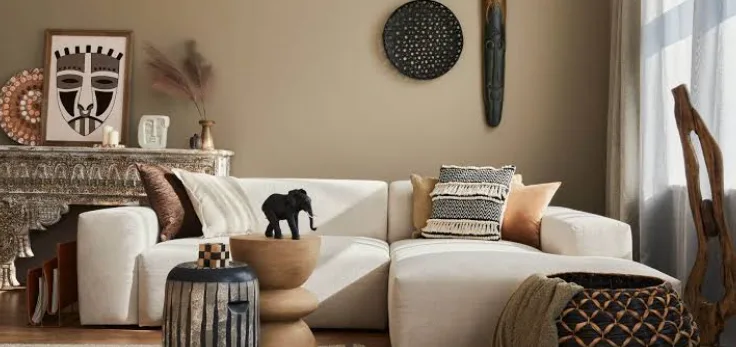
- Bohemian: Look for rich textures, warm earth tones, fringe details, and layered greenery.
- Modern Farmhouse: Choose distressed woods, galvanized metals, matte black iron, and natural linen textiles.
- Traditional: Opt for classic porcelain ceramics, vintage brass, ornate frames, and rich floral patterns.
Room-by-Room Guide: Selecting the Right Accessories
Every room serves a distinct function and requires a unique approach to accessory selection. Here is how to accessorize the major spaces in your home effectively:
Living Room: The Social Hub
The living room requires accessories that invite relaxation and encourage conversation. Focus on central surfaces and cozy seating areas.
- The Coffee Table: Create a styled tray arrangement using three elements: something tall (a vase with branches), something flat (a stack of coffee table books), and something unique (a small stone bowl or candle).
- The Sofa: Arrange throw pillows in odd numbers (3 or 5). Combine solid neutral bases with patterned or textured accent cushions. Drape a throw blanket over one corner to create an inviting, lived-in touch.
- Open Shelving: Mix books (stacked horizontally and arranged vertically) with decorative objects, framed family photos, and trailing indoor plants like pothos or ivy.
Bedroom: The Peaceful Retreat
Bedroom accessories should emphasize calmness, comfort, and restorative sleep. Keep surface clutter to a minimum.
- Bedding Accessories: Layer bed pillows with standard shams and a long lumbar pillow in front. Place a folded linen or knitted throw blanket across the foot of the bed.
- Nightstands: Keep nightstand surfaces uncluttered. Pair an elegant warm-toned reading lamp with a small tray for jewelry and a delicate ceramic vase for fresh flowers.
- Wall Space: Hang serene, calming artwork above the headboard, avoiding aggressive or bright color compositions.
Dining Room: The Entertaining Area
Dining room accessories should enhance the dining experience without interfering with conversation lines or table space.
- Table Centerpieces: Choose low-profile centerpieces, such as a wide ceramic bowl or a series of low taper candle holders, allowing guests to view each other easily across the table.
- Sideboards and Buffets: Frame a dining room sideboard with a prominent wall mirror above it, flanked by a pair of tall table lamps or decorative urns.
Entryway: The First Impression
The entryway sets the aesthetic tone for your entire home while requiring high practical functionality.
Position a stylish console table near the front door. Hang a large round mirror directly above it to reflect light and allow for quick outfit checks. Place a catch-all tray for keys, a scented reed diffuser, and a woven basket underneath for shoes or umbrellas.
Bathroom: The Spa-Like Sanctuary
Transform functional bathrooms into serene spa environments using elevated daily accessories.
- Vanity Styling: Replace commercial soap dispensers with glass or stoneware dispensers. Use a small marble tray to group lotion bottles and candles.
- Textile Upgrades: Display plush, matching bath towels folded neatly on open shelves or rolled in a wire basket.
- Natural Accents: Place small humidity-loving plants, like ferns or bamboo, on windowsills or vanity corners.
Current Trends in Home Accessories
While classic interior principles endure, keeping an eye on current design trends helps your home feel fresh and contemporary. Today’s top accessory trends focus on authenticity, natural elements, and comfort:
1. Biophilic and Natural Elements
There is a growing shift toward bringing raw nature indoors. Accessories made from untreated wood, organic stone, travertine, rattan, and terracotta are surging in popularity. These materials bring grounding, earthy energy into modern spaces.
2. Sculptural and Fluid Shapes
Rigid geometric lines are stepping back to make way for organic, sweeping curves. Expect to see asymmetrical ceramic vases, arched mirrors, curvy candle holders, and abstract wavy accents that add artistic drama to shelves and tables.
3. Sustainable and Artisanal Craftsmanship
Homeowners are increasingly prioritizing quality over mass-produced items. Unique hand-blown glass, hand-thrown pottery, vintage finds, and sustainably sourced textiles are preferred for their craftsmanship, longevity, and low environmental impact.
4. Warm Earthy Tones
Cool gray trends are yielding to warm, inviting earthy palettes. Terracotta, sage green, warm ochre, soft beige, and rich chocolate brown are defining accent cushions, rugs, ceramic pottery, and artwork.
Styling Principles: Rules Professionals Use
Knowing what accessories to buy is only half the battle; knowing how to arrange them makes all the difference. Interior designers rely on these classic styling principles to create compelling arrangements:
The Rule of Threes
In design, odd numbers create dynamic visual movement. Arranging objects in groups of three (or five) feels balanced yet natural to the human eye. For instance, pair a tall vase, a medium decorative box, and a small scented candle together on an entry table.
Varying Heights and Shapes
Avoid grouping objects of identical height and silhouette together, which creates a visually flat arrangement. Always mix vertical elements (a tall lamp or vase) with medium-height objects (a photo frame) and low horizontal items (a book stack or tray) to draw the eye up and down.
The Art of Negative Space
Resist the urge to fill every square inch of available surface space. Negative space—the empty area around objects—gives your prized accessories room to breathe and allows individual design choices to shine without feeling chaotic or crowded.
Common Accessory Mistakes to Avoid
To ensure your home remains elegant and functional, steer clear of these frequent home styling pitfalls:
- Over-accessorizing (Cluttering): Displaying every object you own creates visual confusion. Rotate seasonal items in and out of storage to keep your space fresh without overcrowding surfaces.
- Buying Complete Matching Sets: Purchasing catalog sets where every cushion, rug, and lamp matches perfectly can make a space feel sterile and devoid of personality. Aim to curate layered pieces over time.
- Ignoring Scale: Placing undersized accessories on large pieces of furniture makes the room feel disproportionate and unfinished.
- Hanging Artwork at the Wrong Height: Artwork is frequently hung too high. As a general rule, the center of a picture frame or gallery wall should rest at eye level—approximately 57 to 60 inches from the floor.
Care and Maintenance Tips for Home Accessories
To keep your home accessories looking pristine and prolong their lifespan, follow these basic care recommendations:
- Textiles: Rotate throw pillows regularly to prevent uneven wear and sun fading. Follow wash tags carefully; delicate fabrics like silk, wool, and velvet often require dry cleaning or gentle spot treatment.
- Wood and Natural Materials: Dust wooden objects with soft microfiber cloths. Treat solid wood pieces with natural wood wax or oils periodically to keep them from drying out or cracking.
- Metals and Glass: Clean glass vases and mirrors with non-abrasive glass cleaner to eliminate streaks and fingerprints. Unsealed brass will naturally develop a patina over time; polish it if you prefer a high-shine finish, or leave it alone for a vintage character.
- Ceramics and Stone: Wash food-safe ceramic or stone bowls by hand with mild soap and warm water. Avoid harsh chemicals on porous stones like marble or travertine.
Conclusion: Crafting a Home That Tells Your Story
Selecting and styling home accessories is a creative journey rather than a single destination. The best-styled homes are not decorated overnight; they are thoughtfully curated over time through intentional purchases, travel keepsakes, heirloom pieces, and functional items that bring daily joy.
By keeping fundamental principles like scale, material contrast, color harmony, and function top of mind, you can select home accessories that enhance your interior spaces, elevate daily living, and create an inviting atmosphere you will love coming home to.